


America 250 Civics Education Starts with the Constitution

America 250 civics education is getting renewed attention as lawmakers, educators, and communities look toward the nation's 250th anniversary. This week, U.S. Senators Chris Coons and John Cornyn introduced the bipartisan Strengthening Civics Education Act. The proposal highlights a timely question for the America 250 moment: how can students encounter the Constitution as a living framework for understanding government and civic life?
According to the announcement, the bill would support American history and civics education, educator learning, open educational resources, and more regular national assessments. It also proposes an America250 civics clearinghouse for federal scholarship and fellowship opportunities. The legislation would preserve state and local control over instruction. The proposal is a news hook, not a substitute for the steady work happening in classrooms: helping students read primary sources and ask informed questions.
America 250 civics education starts with the Constitution
A 250th anniversary can be more than a celebration of dates and symbols. It can be an invitation to explore the ideas and institutions that shaped the country. The Constitution is a natural place to begin because it sets out how the federal government is organized, allocates powers, and describes ways the document can be amended. Students who read its words directly can test their understanding against the source itself.
That kind of learning does not require a complicated starting point. A class might read the Preamble, identify a phrase that stands out, and discuss what it suggests about the purposes of government. Students can compare the responsibilities assigned to different branches, or trace how amendments have changed the text. Asking students to cite the language they are discussing keeps conversation grounded while making room for thoughtful disagreement.
What America 250 civics education can look like in class
Teachers can make the anniversary relevant by connecting the document to questions students can investigate. Who makes a decision under the Constitution? What limits apply? How does an amendment change the text? Students can work in pairs to locate a passage, paraphrase it, and explain what they still want to know. These modest routines build close-reading skills and constitutional vocabulary over time.
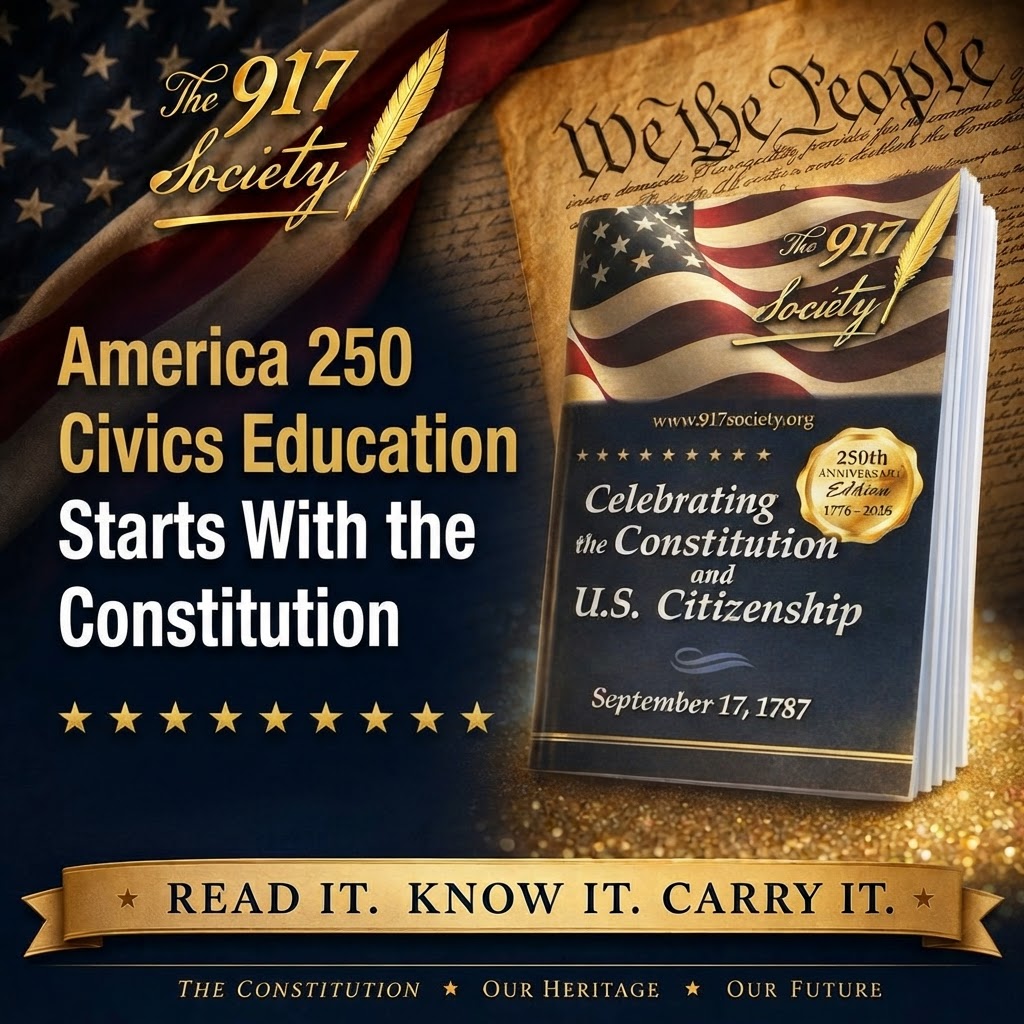
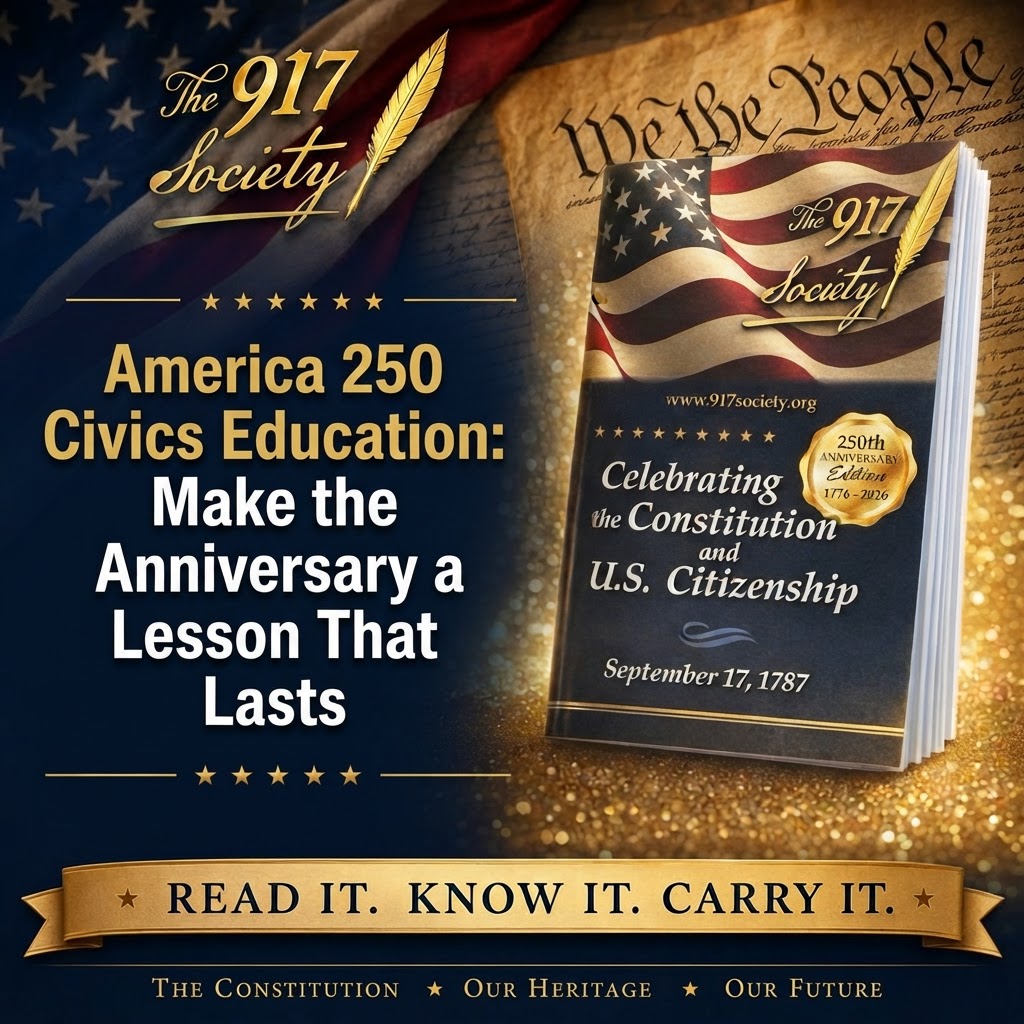
Access to a printed copy helps students return to the document during class, rather than relying only on a summary or screen. A pocket Constitution can travel from a lesson on the Preamble to a discussion of amendments and remain a useful reference afterward. The resource is not a curriculum by itself; its value comes from the questions, context, and conversation an educator brings to it.
The recent bipartisan proposal also points to a broader civic-education conversation: how to support teachers and provide students with reliable materials while respecting local choices about instruction. Whatever happens to the legislation, classrooms can continue building civic knowledge through primary sources, careful discussion, and opportunities to connect history with the structure of government.
Free Constitutions for 8th graders, year-round
Anniversary-year lessons can also help students distinguish between the Constitution's text and later interpretations of it. Invite students to point to the relevant clause, describe what it says in plain language, and identify what context they would need before reaching a conclusion. That habit supports informed discussion without asking young people to memorize every detail at once. It also makes the anniversary meaningful beyond a single event, because students leave with a way to keep exploring the document.
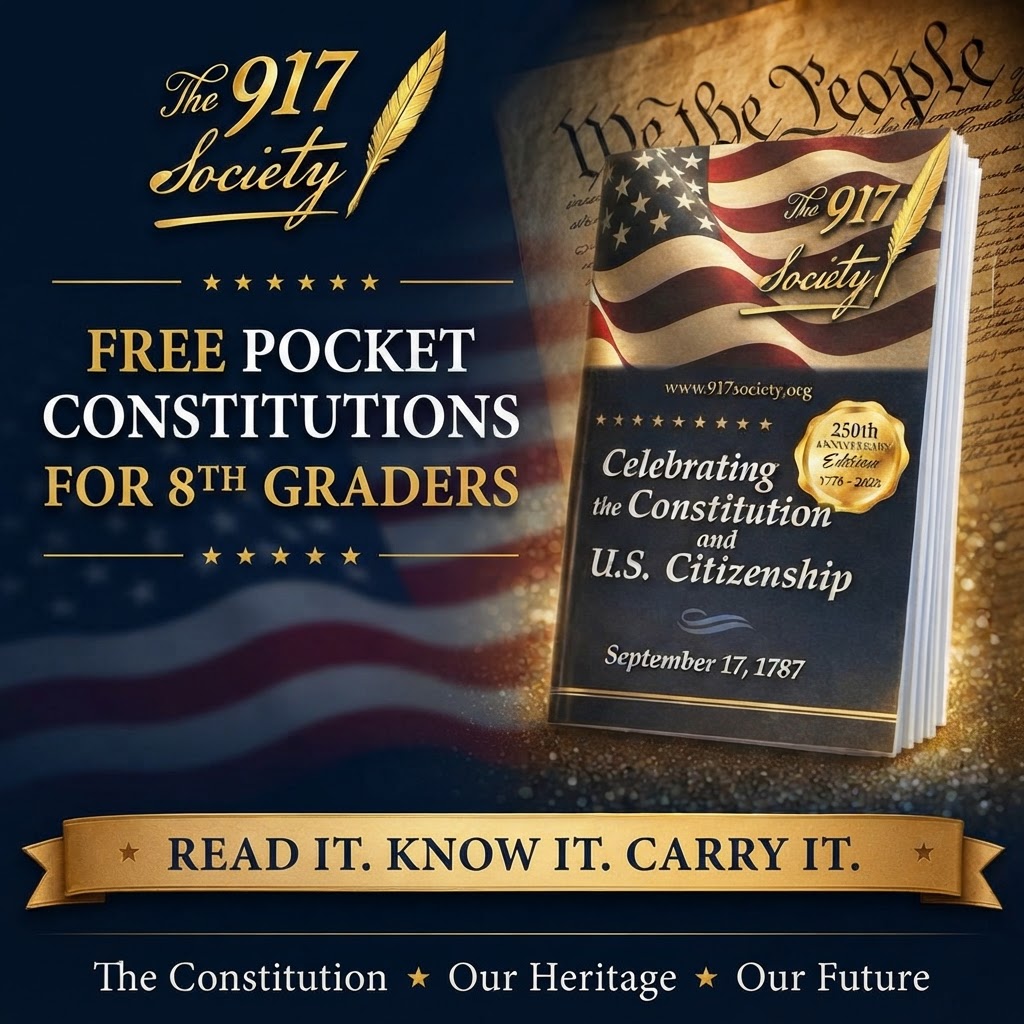
The 917 Society supports this foundational work by distributing pocket Constitutions free to 8th graders. The mission is simple: put the nation's founding document into students' hands and help make it accessible for classroom learning. Teachers and schools can request free Constitutions for their 8th-grade classrooms. Copies for 8th graders are always free through the program.
As America approaches its 250th anniversary, a useful classroom commemoration can begin with reading the source, asking what it says, and considering how constitutional government works. Learn about free Constitutions for 8th graders, or learn more at 917society.org.
Comments